

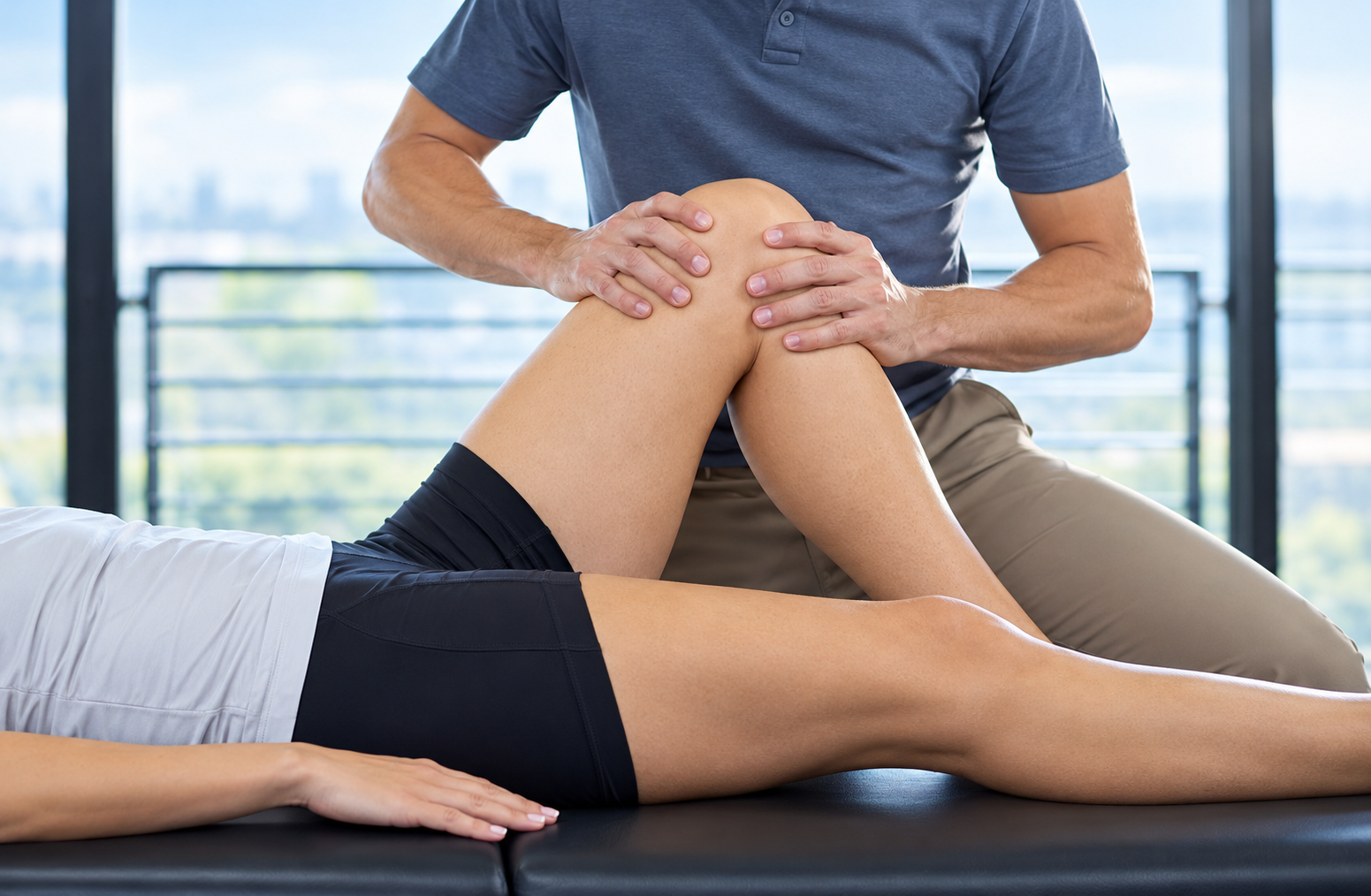
Joint discomfort can gradually change the way you move, work, exercise, and enjoy everyday activities. Something as simple as getting up from a chair, reaching for an object, or walking up the stairs may become difficult when your joints feel stiff or sore. Understanding what contributes to this discomfort is an important first step towards finding suitable care. An Osteopathy Clinic for Joint Pain in Scarborough, ON, may offer an assessment and treatment options for certain musculoskeletal conditions.
At Body and Sole Physiotherapy, learning about your symptoms and available care options can help you make informed decisions about your movement and recovery goals. Osteopathic care considers the relationship between joints, muscles, connective tissues, and overall movement.
Why Does Joint Pain Develop?
Joint pain can appear suddenly after an injury or develop gradually over time. Its cause may vary depending on your age, activity level, medical history, and the joint affected.
Some common contributing factors include:
Joint degeneration: Changes associated with osteoarthritis can cause discomfort, stiffness, and reduced movement.
Muscle weakness: Reduced strength around a joint may make certain physical activities more challenging.
Previous injuries: An old sprain, strain, or sports injury can sometimes leave ongoing movement limitations.
Repetitive activities: Repeated lifting, prolonged computer work, or frequent physical tasks may aggravate certain muscles and joints.
Inflammatory conditions: Some medical conditions cause joint swelling, tenderness, and stiffness that require appropriate medical management.
Because different conditions can produce similar symptoms, joint pain should not automatically be attributed to posture, muscle tightness, or ageing. A suitable assessment helps determine the next steps.
How Can Osteopathy Support Joint Health?
Osteopathy is a form of hands-on healthcare that assesses the musculoskeletal system, including joints, muscles, and surrounding tissues. Depending on the cause of the symptoms, treatment may include manual techniques, movement advice, and exercises.
1. Helping You Move More Comfortably
Stiffness may limit how far a joint moves or make everyday activities uncomfortable. An osteopathic practitioner may assess the joint's movement and the function of nearby tissues before considering appropriate treatment.
Gentle manual techniques may help some people with musculoskeletal discomfort. The approach should always reflect the individual's condition, comfort level, and medical history.
2. Addressing Tension Around the Joints
Muscles help stabilise the body and control movement. When surrounding tissues become sensitive or tight, activities such as bending, reaching, or walking may feel more difficult.
Depending on the assessment, an osteopathic practitioner may use suitable soft-tissue techniques to address discomfort. Treatment can also include advice on movement habits and exercises that support everyday function.
3. Supporting Better Movement Habits
Spending long periods sitting, performing repetitive tasks, or returning to exercise too quickly can aggravate existing symptoms in some people.
An assessment may identify movement limitations and activities that appear to worsen discomfort. Practical recommendations may include taking movement breaks, adjusting certain activities, or gradually building strength and flexibility.
These changes can be useful parts of a broader joint care plan, although they do not replace treatment for an underlying medical condition.
4. Assisting With Recovery After an Injury
Following an injury, joint movement and confidence may be reduced. Once serious injuries have been ruled out, appropriate manual care and guided movement may help some individuals work towards their usual activities.
Recovery should progress according to the injury and the person's response to activity. Severe pain, significant swelling, suspected fractures, or an inability to bear weight require prompt medical assessment rather than routine hands-on treatment.
Which Areas of the Body Can Be Affected by Joint Pain?
Joint pain can occur in several parts of the body, and each area may require a different approach.
Knee pain: Knee discomfort can affect walking, stair climbing, and standing for long periods. Assessment may consider joint movement, surrounding muscle strength, and the activities that trigger symptoms.
Hip pain: Hip stiffness may interfere with sitting, walking, or putting on shoes. A practitioner may assess mobility and the surrounding muscles while considering whether further medical investigation is needed.
Shoulder pain: Shoulder problems can make dressing, lifting, or reaching overhead difficult. Appropriate care depends on the underlying cause, which may involve the joint, tendons, or other surrounding structures.
Back and neck discomfort: Although not every source of back or neck pain originates in a joint, movement assessment may help identify contributing musculoskeletal factors.
Visiting an Osteopathy Clinic for Joint Pain in Scarborough, ON, can be one option for discussing these concerns and determining whether osteopathic care is appropriate.
What Happens During an Osteopathy Appointment?
Knowing what to expect can make your first appointment feel more straightforward.
Initial discussion
The practitioner will generally ask about your symptoms, when they began, what makes them better or worse, and whether you have experienced previous injuries or medical conditions.
Physical assessment
Depending on your symptoms, the assessment may include observing movement, checking range of motion, and examining the function of relevant muscles and joints. If the symptoms suggest a condition outside the practitioner's scope, referral for medical evaluation may be necessary.
Individualised care plan
If osteopathic treatment is appropriate, your practitioner can explain the recommended approach, expected benefits, limitations, and potential risks. Your plan may include manual techniques, activity modifications, or exercises.
At Body and Sole Physiotherapy, patients can explore suitable care options based on their individual concerns and goals. The most appropriate plan depends on the assessment rather than a standard treatment routine for everyone.
Everyday Habits That May Help Manage Joint Discomfort
Professional care can be supported by practical habits at home. Consider the following strategies:
Keep moving regularly: Choose comfortable activities that suit your abilities, such as walking or gentle mobility exercises.
Build strength gradually: Suitable strengthening exercises can help support joint function and everyday activities.
Avoid prolonged inactivity: Change positions and take movement breaks during long periods of sitting.
Adjust activities when needed: Reduce or modify movements that repeatedly aggravate your symptoms.
Follow professional guidance: Ask a qualified healthcare professional which exercises and activities are appropriate for your condition.
Do not push through severe or increasing pain. If a joint becomes hot, red, or markedly swollen, particularly with fever, seek urgent medical attention.
Frequently Asked Questions
1. Can osteopathy help with joint pain?
Osteopathic treatment may help some people manage musculoskeletal discomfort and improve movement. Its suitability depends on the underlying cause, and results vary between individuals.
2. Is osteopathy helpful for knee and hip stiffness?
Some people with knee or hip stiffness may benefit from an assessment and an appropriate care plan. Persistent symptoms should be evaluated to identify conditions that need specific medical treatment.
3. How long does it take to notice a difference?
There is no fixed timeline. Progress depends on the cause and duration of pain, general health, and response to treatment. Your practitioner can review your progress and adjust the plan when necessary.
4. Can osteopathy replace medication or medical treatment for arthritis?
No. Osteopathy should not replace prescribed medication or appropriate medical management. It may be considered as a supportive option for selected symptoms after discussing suitability with your healthcare professional.
5. When should I seek help for persistent joint pain?
Arrange a professional assessment if pain continues, repeatedly returns, limits daily activities, or affects your sleep or mobility. Sudden severe pain, a major injury, or a hot, swollen joint with fever requires urgent medical attention.
Patient Experiences
“I appreciated having my concerns listened to and receiving clear explanations about the possible causes of joint discomfort. The guidance helped me better understand my care options.”
“The appointment helped me understand how joint movement and surrounding muscles can affect everyday activities. I found the discussion about suitable exercises and movement habits useful.”
“I valued the time taken to discuss my symptoms and daily routine. The recommendations were explained clearly, making it easier to understand the next steps in managing my discomfort.”
Conclusion
Joint pain can affect much more than physical comfort. It may change your routine, reduce your activity levels, and make familiar tasks feel difficult. Understanding the cause of your symptoms can help you explore appropriate ways to manage discomfort and maintain movement.
An osteopathy clinic may provide assessment and supportive treatment for certain musculoskeletal conditions, with care tailored to the individual. However, not all joint problems respond to hands-on therapy, and some require medical investigation or condition-specific treatment.
At Body and Sole Physiotherapy, the goal is to help people understand their care options and make informed decisions about their physical well-being. If joint pain is interfering with your everyday activities, seek professional guidance to determine the most suitable next step for your needs.
