

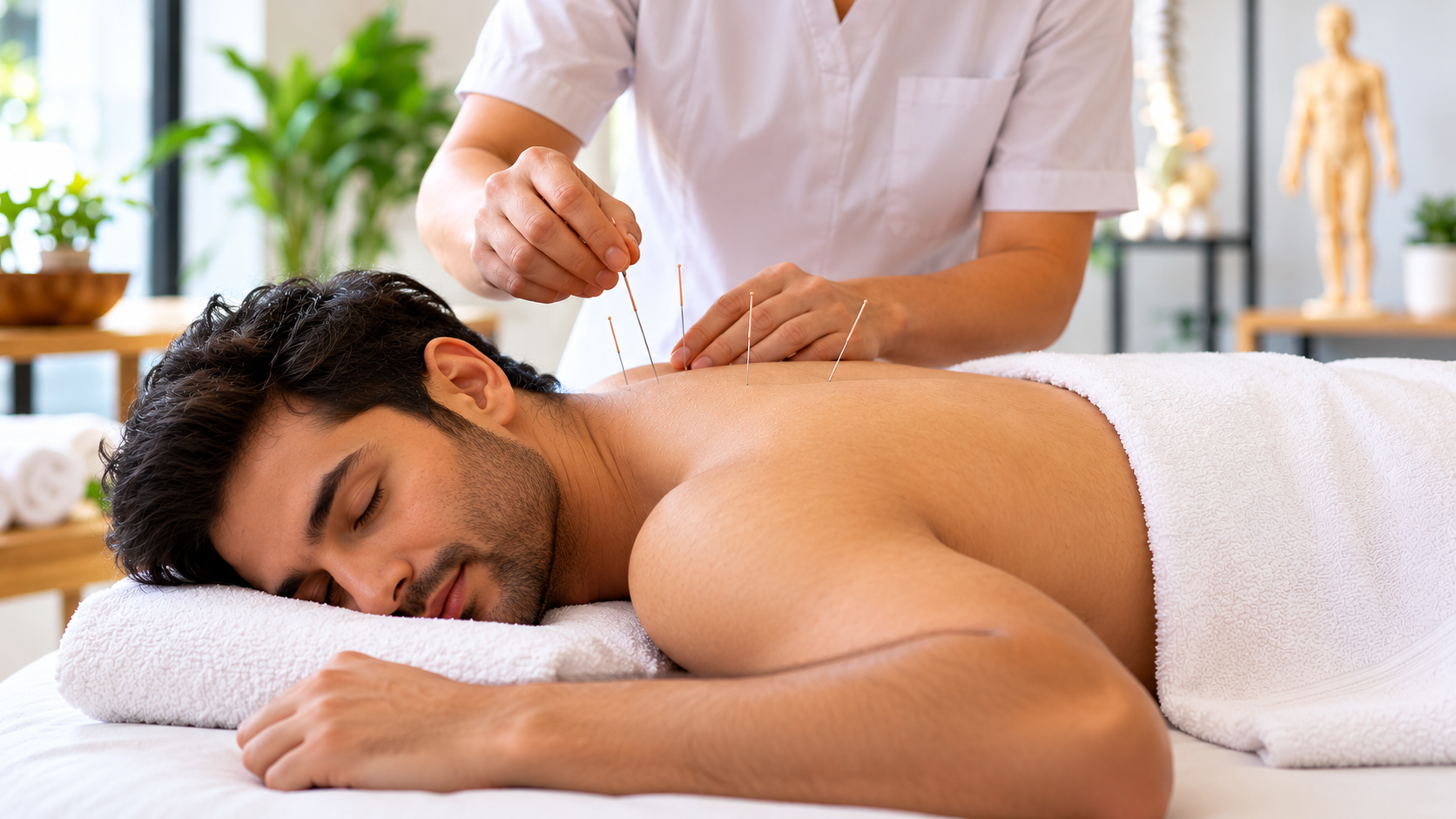
Living with ongoing pain can make even simple daily activities feel difficult. Whether it is persistent back discomfort, neck stiffness, muscle tension, or restricted movement, finding a suitable approach to pain management is important. Skilled Acupuncture in Scarborough, ON, may offer a supportive treatment option for people looking to manage discomfort and improve their physical well-being. At Body and Sole Physiotherapy, acupuncture can be considered as part of an individualised care approach based on a person's symptoms, comfort, and recovery goals.
Understanding How Acupuncture Works
Acupuncture is a treatment method that involves inserting very fine, sterile needles into specific points on the body. It is traditionally used to support the body's natural healing processes and manage different types of discomfort.
From a modern healthcare perspective, acupuncture may influence the nervous system and pain-processing pathways. Some people experience reduced muscle tension and improved comfort following treatment.
Results can vary depending on the individual's condition, overall health, and response to treatment. A qualified practitioner can help determine whether acupuncture is an appropriate option.
How Acupuncture May Help Manage Chronic Pain
Chronic pain can continue for weeks or months and may affect sleep, concentration, work, and everyday movement. Acupuncture Clinic may help some individuals manage certain types of persistent pain when included in a broader treatment plan.
Here are some ways it may support pain management:
Back discomfort: Acupuncture may help some people experience relief from persistent lower back pain and muscle tightness.
Neck stiffness: Treatment may help reduce muscle tension associated with prolonged sitting, poor posture, or repetitive activities.
Shoulder discomfort: Targeted acupuncture may support comfort and movement in people experiencing certain types of shoulder pain.
Joint-related discomfort: Some individuals may experience improvements in pain and physical function, depending on the underlying condition.
Muscle tension: Acupuncture may help relax tight muscles and support a greater sense of physical comfort.
It is important to understand that acupuncture does not cure every source of chronic pain. A proper assessment helps identify the most suitable treatment approach.
Improving Everyday Mobility Through Acupuncture
Mobility plays an important role in maintaining independence and enjoying everyday activities. Chronic discomfort can make walking, bending, stretching, exercising, or completing household tasks challenging.
Acupuncture may support mobility by helping some individuals manage pain and muscle tightness. When discomfort becomes more manageable, certain movements may feel easier.
For example, someone experiencing ongoing neck stiffness may find it more comfortable to turn their head, while someone with lower back discomfort may find everyday movements less challenging.
Combining acupuncture with appropriate stretching, strengthening exercises, and physiotherapy may provide a more comprehensive approach to improving physical function.
Conditions That May Benefit from Acupuncture
Acupuncture is used by some people as a complementary approach to managing different physical concerns. Depending on an individual's needs, it may be considered for:
Chronic lower back pain: To help manage ongoing discomfort and improve daily function.
Tension-related headaches: Some people may experience fewer headaches or reduced discomfort.
Sports-related muscle soreness: It may support recovery when combined with appropriate rehabilitation.
Neck and shoulder tension: It may help ease tightness associated with repetitive movements and prolonged desk work.
Ongoing muscle discomfort: It may provide additional support for people dealing with persistent muscle tension.
A healthcare professional should assess the cause of pain before treatment, particularly when symptoms are new, severe, or getting worse.
What to Expect During an Acupuncture Session
If you are considering acupuncture for the first time, understanding the treatment process can help you feel more comfortable.
A typical appointment may include the following steps:
Initial consultation: The practitioner discusses your symptoms, medical history, lifestyle, and treatment goals.
Personalised assessment: Your physical concerns and areas of discomfort are reviewed to help determine an appropriate treatment plan.
Treatment preparation: The practitioner explains the procedure and uses sterile, single-use needles.
Acupuncture treatment: Fine needles are carefully inserted into selected points. You may experience mild pressure, tingling, or a temporary sensation around the treatment area.
Post-treatment guidance: You may receive recommendations about activity, hydration, exercise, or follow-up sessions.
Some people feel relaxed after treatment, while others may experience temporary soreness or minor bruising. Your practitioner should explain possible side effects and when to seek medical advice.
Why Choose a Skilled Acupuncture Practitioner?
Choosing an appropriately qualified acupuncture practitioner is important for both safety and treatment suitability. Experience, proper assessment, hygiene practices, and clear communication all contribute to a positive treatment experience.
When selecting a practitioner, consider:
Relevant education, registration, and professional qualifications.
Experience treating concerns similar to yours.
Proper use of sterile, single-use acupuncture needles.
A treatment plan based on your individual needs.
Clear explanations about expected benefits, limitations, and possible risks.
In Ontario, it is also important to check the practitioner's registration with the appropriate regulatory college.
How Body and Sole Physiotherapy Supports Your Recovery Goals
At Body and Sole Physiotherapy, the focus is on understanding individual physical concerns and exploring suitable treatment options. Acupuncture may be incorporated into a broader care plan depending on your condition and recovery requirements.
Whether you are dealing with muscle tension, ongoing discomfort, or movement limitations, a personalised approach can help identify appropriate ways to support your physical health.
The goal is to help individuals work towards better comfort, improved movement, and greater confidence in their everyday activities.
Frequently Asked Questions (FAQs)
1. Can acupuncture help with long-term chronic pain?
Acupuncture may help some individuals manage certain types of chronic pain. Results vary depending on the condition, and it is often used alongside other treatment approaches.
2. How many acupuncture sessions are usually needed?
The number of sessions depends on your symptoms, health condition, and response to treatment. Your practitioner can recommend a suitable schedule after an initial assessment.
3. Is acupuncture painful?
Most people experience little discomfort during needle insertion. Some may notice mild tingling, pressure, or temporary soreness.
4. Can acupuncture improve mobility?
It may help improve movement indirectly by reducing pain or muscle tension in some individuals. Combining treatment with appropriate exercises may further support mobility.
5. Is acupuncture suitable for everyone?
Not necessarily. Certain health conditions, pregnancy, bleeding disorders, and medications may require additional precautions. Discuss your medical history with a qualified practitioner before starting treatment.
Patient Feedback:
- "The treatment experience was comfortable, and I appreciated having my concerns explained clearly. The personalised approach made me feel more confident about managing my discomfort."
- "I was looking for additional support with muscle tension and everyday movement. The treatment process was explained carefully, and I appreciated the attention given to my needs."
- "The practitioner took time to understand my concerns and discuss suitable treatment options. The experience was professional and reassuring."
Conclusion
Managing chronic pain requires patience, the right guidance, and an approach that considers your individual needs. Acupuncture may offer additional support for people experiencing persistent discomfort, muscle tension, and mobility challenges. When combined with suitable rehabilitation strategies, it may help improve everyday physical function.
If you are considering acupuncture as part of your wellness routine, Body and Sole Physiotherapy can help you explore appropriate treatment options based on your concerns and recovery goals. Taking the first step towards better movement can make everyday activities more comfortable.
